

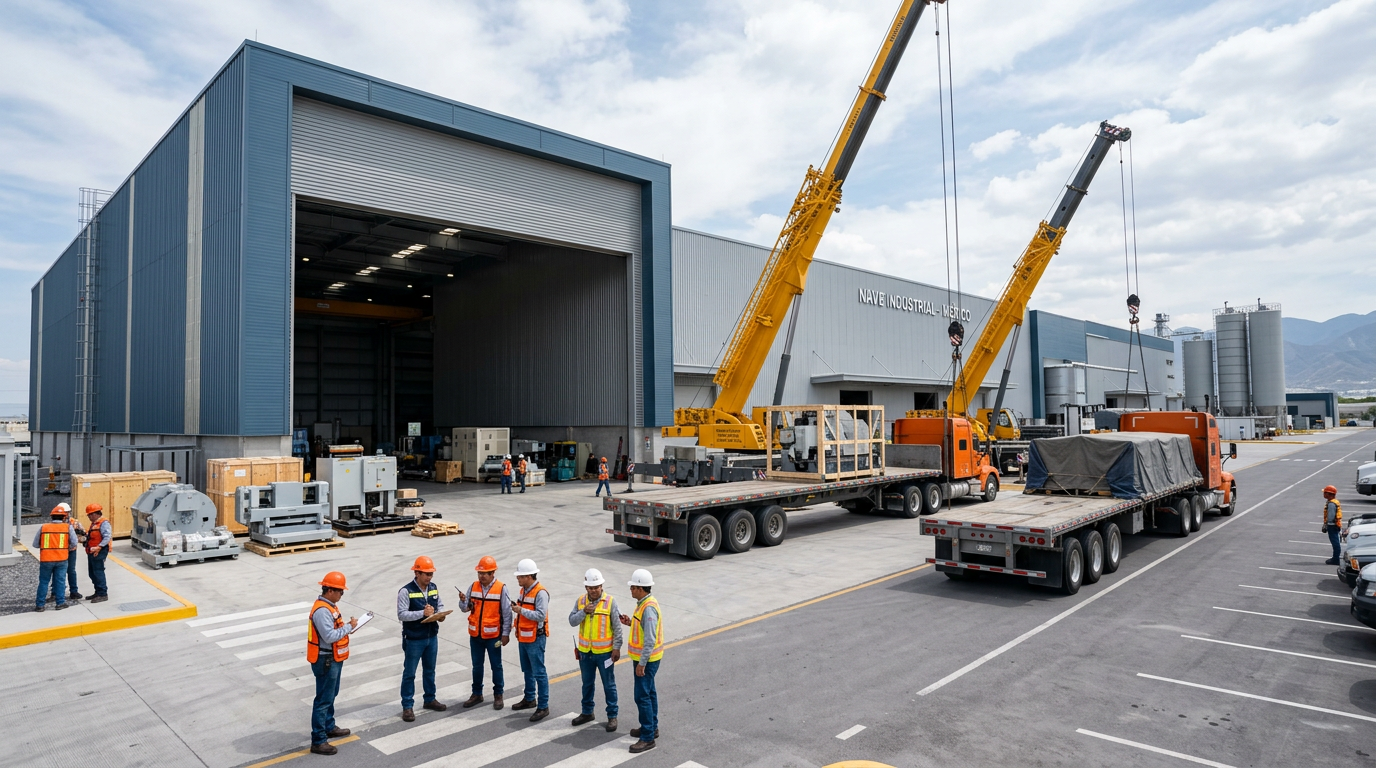
26 Aug Industrial Plant Relocation in Mexico: How to Move Your Production Lines Without Losing a Single Day of Operation
Relocating a manufacturing plant is far more than moving machinery from point A to point B. It’s a highly complex operation involving multimodal logistics, rigging engineering, supplier coordination, regulatory compliance, and — above all — meticulous planning to ensure your company doesn’t lose its competitive edge during the process. In Mexico, where nearshoring and industrial expansion continue to reshape the country’s productive landscape, industrial plant relocation in Mexico has become a strategic necessity for dozens of companies every year.
At IMS Movers, we understand that every hour of unplanned downtime carries a real cost. That’s why, in this article, we break down what moving a complete production line truly involves, the most common risks, and how to guarantee your business’s operational continuity throughout the entire process.
What Does Moving a Manufacturing Plant Really Mean?
Unlike a conventional corporate move, relocating an industrial plant involves large-format assets with high technical specificity and, in many cases, extreme mechanical sensitivity. We’re talking about:
- Assembly lines, presses, lathes, and CNC machining centers
- Conveyor belt systems and industrial robots
- Tanks, compressors, boilers, and electrical substations
- Storage racks, technical furniture, and laboratory equipment
- Raw material inventory, work-in-progress, and finished goods
Each of these assets requires a different protocol: safe disconnection, specialized packaging, handling with the appropriate loading equipment, and reinstallation aligned with the new facility’s floor plan. Underestimating any of these phases can lead to irreparable damage, weeks-long delays, and even contractual penalties with your clients.
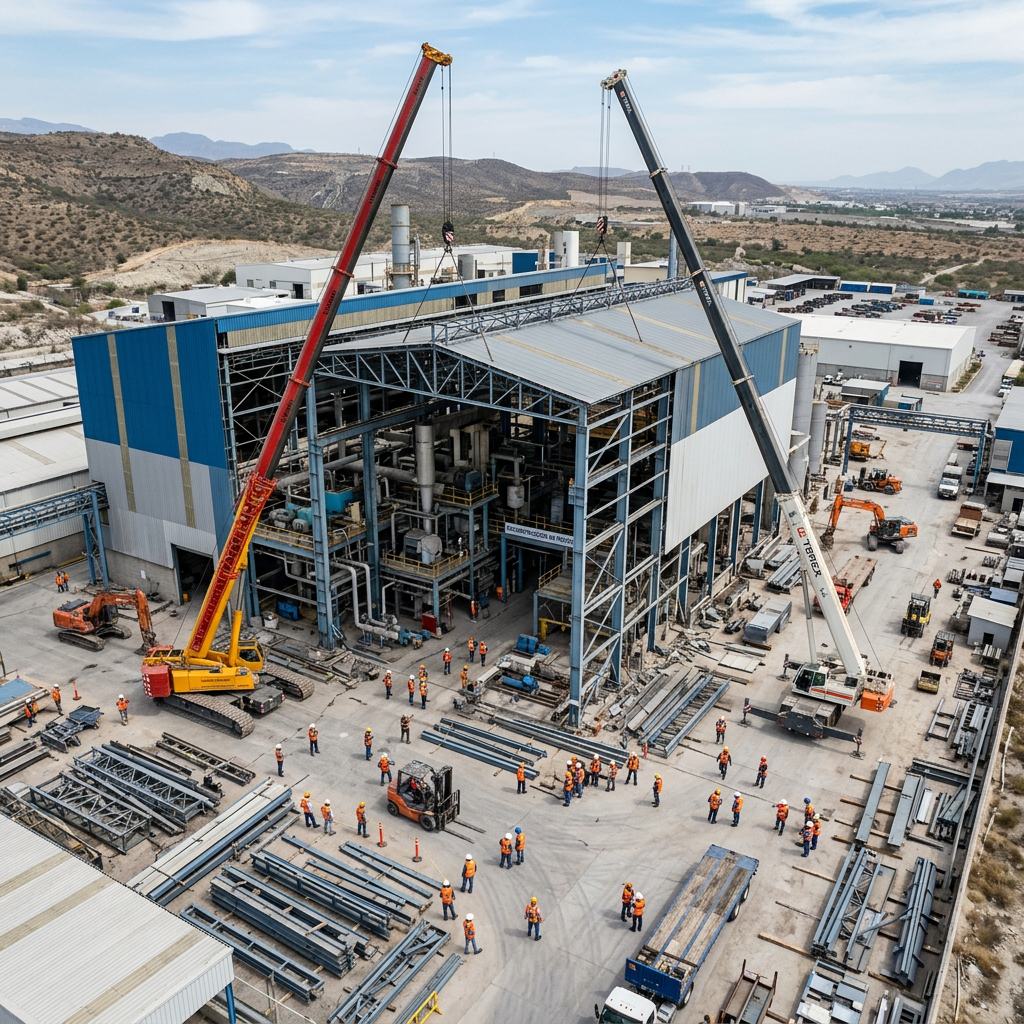
The Critical Phases of an Industrial Plant Relocation in Mexico
1. Assessment and Logistics Planning
Before moving a single bolt, a complete technical survey of the plant is essential. This includes a detailed asset inventory, evaluation of conditions at both the origin and destination facilities, route analysis for transportation, and identification of regulatory restrictions in the municipalities involved. In Mexico, the industrial corridors of Monterrey, Querétaro, San Luis Potosí, Aguascalientes, and the Bajío region have specific regulations for oversized cargo transport that must be factored in from the very start.
2. Professional Industrial Packaging
Packaging isn’t an expense — it’s an investment in the integrity of your assets. Precision equipment, such as robotic arms or measuring machines, requires technical packaging with anti-static materials, vibration dampening, and proper handling labels. Poor packaging can void manufacturer warranties and generate repair costs far exceeding the total cost of the relocation itself.
3. Strategic Multimodal Transportation
Depending on the origin and destination, industrial plant relocation in Mexico may require a combination of road transport with specialized flatbeds, heavy-tonnage cranes, and — for extremely heavy assets — coordination with rail or maritime modes. Choosing the right mode not only reduces costs but also minimizes transit time and the risk of damage from vibration or impact.
4. Reinstallation and Commissioning
The work doesn’t end when equipment arrives at the new facility. Reinstallation must follow the engineering-approved layout, with electrical, hydraulic, and pneumatic connections verified before starting any machine. Ideally, this phase is coordinated in parallel with the client’s maintenance team to accelerate the return to normal production output.
Key Risks and How to Mitigate Them
The most costly mistakes in an industrial relocation don’t happen due to a lack of resources — they happen due to a lack of experience and planning. These are the most common risks:
- Underestimating downtime: without a phased schedule, stoppages extend well beyond what was projected.
- Damage to precision equipment: moving without adequate dampening can throw off machinery calibration, with reconfiguration taking weeks.
- Regulatory non-compliance en route: transporting oversized loads without the required state permits results in fines and detentions.
- Loss of inventory traceability: without real-time digital asset tracking, critical components can get lost or mixed up during the move.
- Lack of coordination with corporate: in multi-stakeholder plant relocations, poor communication leads to contradictory decisions on the ground.
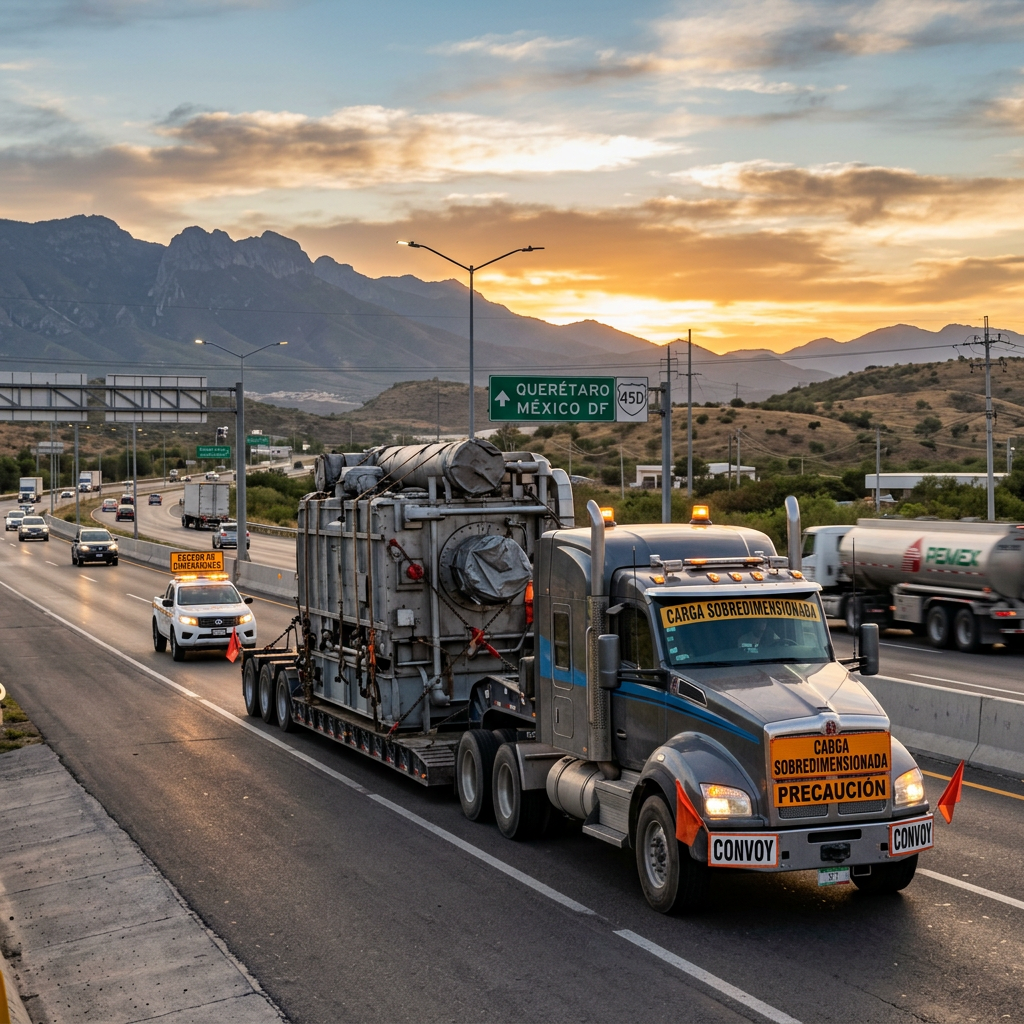
Ensuring Operational Continuity: The Key Is a Phased Strategy
The best way to protect your operation’s continuity during an industrial plant relocation is to structure the process in staggered phases. Rather than shutting down all production at once, lower-demand lines — or those with the largest safety stock — are migrated first, while critical lines continue running until the last possible moment.
This approach, combined with a pre-planned inventory buffer and tolerance agreements with key clients, can reduce the commercial impact of the relocation to virtually imperceptible levels. Companies in Mexico’s automotive, home appliance, and light manufacturing sectors have already executed relocations of this kind without compromising their delivery commitments.
Why Choose a Logistics Partner Specialized in Industrial Relocation?
A plant relocation should not be coordinated across multiple vendors with no industrial experience. Fragmentation breeds miscommunication, idle time, and blurred accountability when something goes wrong. A specialist in industrial relocation consolidates diagnostics, packaging, rigging, transportation, and reinstallation under a single point of contact — with nationwide coverage and certified technical staff.
At IMS Movers, we have supported manufacturing companies through their relocation processes across the entire Mexican territory, from the industrial north to the west-central region, with documented protocols, our own equipment, and a genuine commitment to delivery timelines.
We move your company to its new destination — IMS Movers. If you’re evaluating an industrial plant relocation in Mexico, don’t leave the decision to the last minute. The more planning time you have, the lower the risk and the lower the total cost. Request your quote today and one of our industrial relocation specialists will reach out to review your project with no commitment required.