

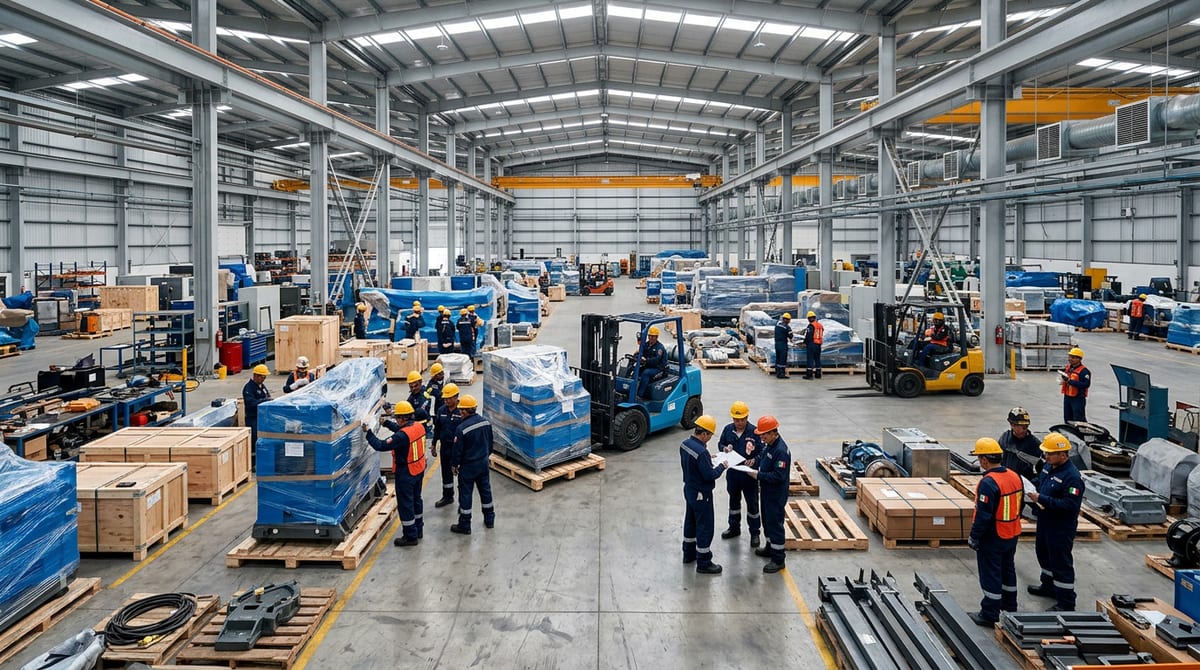
11 Nov How to Move Your Company Abroad from Mexico: Critical Phases, Customs Management, and What No Generic Provider Can Solve
Deciding to take your company to another country is one of the most complex strategic moves an organization can undertake. It’s not just about packing up equipment and shipping it to a new address: it means coordinating critical assets, complying with customs regulations in two countries, protecting operational continuity, and managing timelines that, if they break down, can cost weeks of lost production. A poorly planned international business relocation from Mexico can become the bottleneck that stalls your entire expansion.
At IMS Movers, we’ve guided manufacturing, industrial, and corporate companies through this process. What we’re sharing here is the real roadmap: the phases you can’t skip, the most common failure points, and why choosing the right provider makes the difference between an orderly expansion and an operational nightmare.
Why an International Corporate Relocation Is Unlike Anything Else
The most common mistake companies make is treating their international relocation like a large-scale office move. It isn’t. When what you’re moving is your plant, your machinery, or your production infrastructure, variables come into play that a conventional moving provider simply isn’t equipped to handle:
- Correct tariff classification of each asset under the Harmonized System of Designation and Coding of Commodities.
- Temporary vs. permanent import regulations in the destination country.
- IMMEX compliance or recovery of tax benefits prior to departure.
- Multimodal transport coordination (road, sea, air) based on cargo type and urgency.
- Specialized insurance for high-value industrial machinery.
Each of these points is a risk point. And every provider without specific experience in international industrial logistics is an additional risk that you absorb.
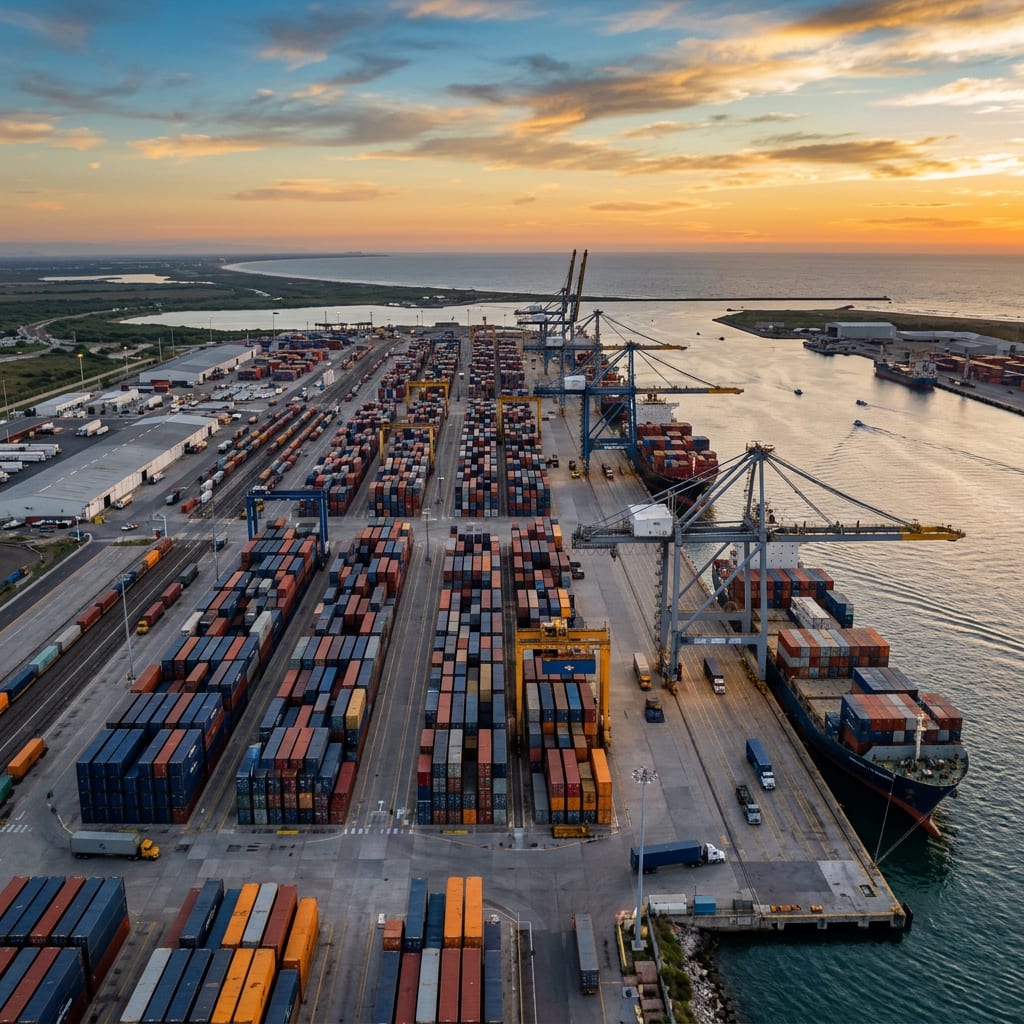
The Critical Phases of an International Business Relocation from Mexico
Phase 1: Asset Audit and Assessment
Before a single bolt is moved, you need a technical, valued inventory of all assets. This isn’t a spreadsheet: it’s a document that will serve as the foundation for customs classification, insurance coverage, and specialized packaging planning. This stage also identifies assets that may require technical disassembly, climate-controlled transport, or special export regimes.
Phase 2: Customs Strategy and Regulatory Compliance
Customs management is, more often than not, the phase companies underestimate the most. An international corporate relocation triggers simultaneous processes at Mexican customs and at the destination country’s border. The documents you need — export declarations, commercial invoices, certificates of origin, cargo manifests, and in many cases sector-specific permits — must be ready and accurate before the first load moves. A single error in tariff classification can result in cargo holds, fines, or even seizure.
This is where having a customs agent integrated into the logistics process — not as a disconnected third party — changes the final outcome.
Phase 3: Route Design and Multimodal Solution
There’s no single way to move a company from Mexico abroad. The optimal route depends on cargo type, destination, project timelines, and budget. Multimodal transportation combines different modes of transport — truck, rail, ship, cargo aircraft — to build the most efficient route. A provider with its own network or strong alliances can design a tailored solution; a generic one will simply book you into the cheapest available container.
Phase 4: Execution, Monitoring, and Operational Continuity Window
During execution, time is money — literally. Every day of downtime carries a direct cost. That’s why planning the “operational pause window” is essential: when production stops, in what order assets are dismantled, and how you ensure critical assets arrive at the destination first. A specialized provider designs this schedule alongside you; a generic one simply executes whatever you tell them to.
Phase 5: Receiving, Reinstallation, and Document Closeout
The relocation doesn’t end when the last container crosses the border. Technical receiving, inventory verification against customs declarations, installation coordination at the new site, and closing out the customs file are steps that, if done poorly, can generate tax contingencies months down the line.
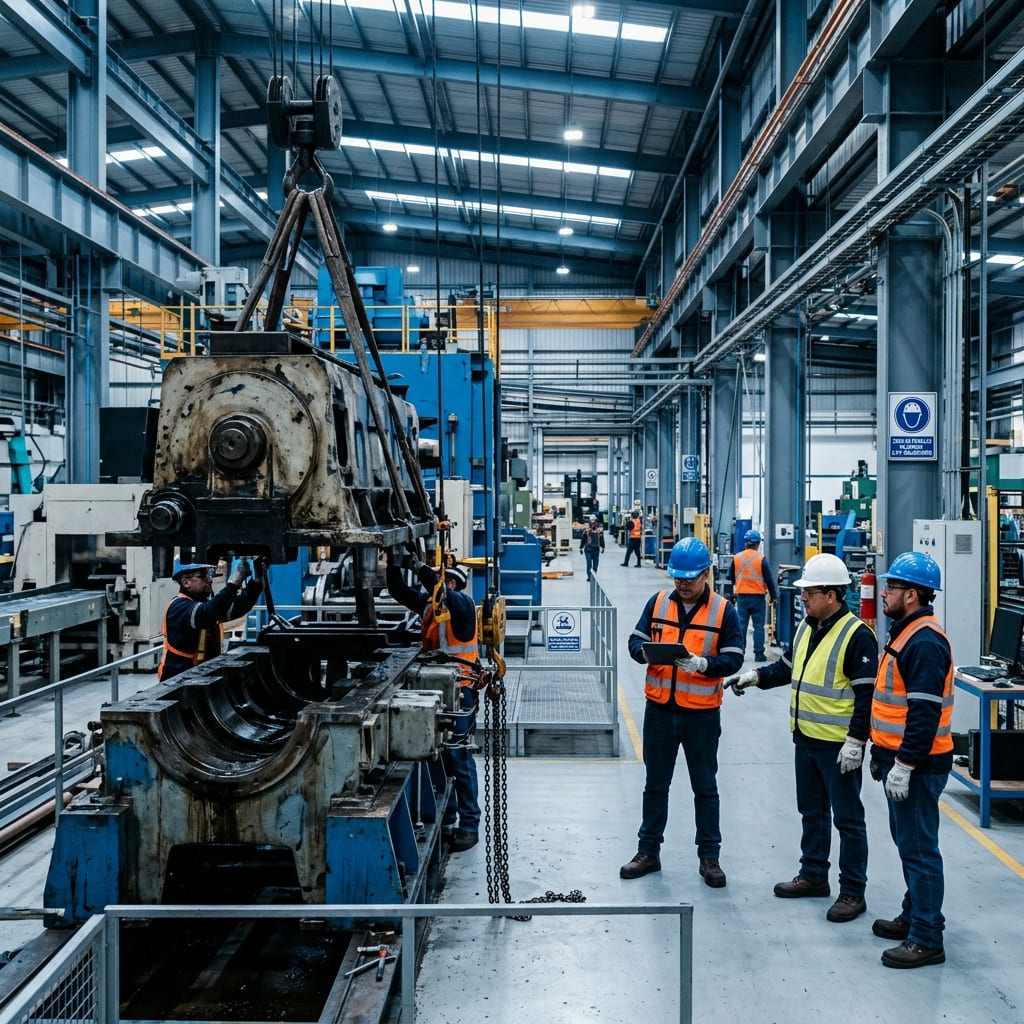
What No Generic Provider Can Solve
A standard moving provider can move boxes, furniture, and even some office equipment across the border. What they can’t do is:
- Anticipate and resolve customs contingencies in real time.
- Coordinate with health, civil protection, or sector-specific authorities when the asset requires it.
- Manage insurance for high-value industrial assets with coverage that actually matches the real risk.
- Give you a single point of contact who speaks your industry’s technical language.
- Guarantee an unbroken documentation chain between Mexico and the destination country.
The difference between a specialized provider and a generic one doesn’t show up in the initial quote. It shows up when the first problem appears — and in an international corporate relocation, one always does.
IMS Movers: The Partner Your Company Needs to Cross Borders
At IMS Movers, we combine industrial logistics expertise, integrated customs management, and a multimodal transportation network built for complex corporate projects. We’re not a generic provider: we’re the partner who understands that behind every asset there’s an operation that can’t afford to be down any longer than necessary.
If your company is evaluating an international expansion or already has a relocation date set, now is the time to plan. Every week of lead time you gain in the planning stage is one less week of risk during execution.
We move your company to its new destination — IMS Movers. Request your quote and speak with an international corporate relocation specialist.