

19 Aug International Move from Mexico to Spain, Canada, Europe, or Asia: Timelines, Requirements, and Costs by Destination
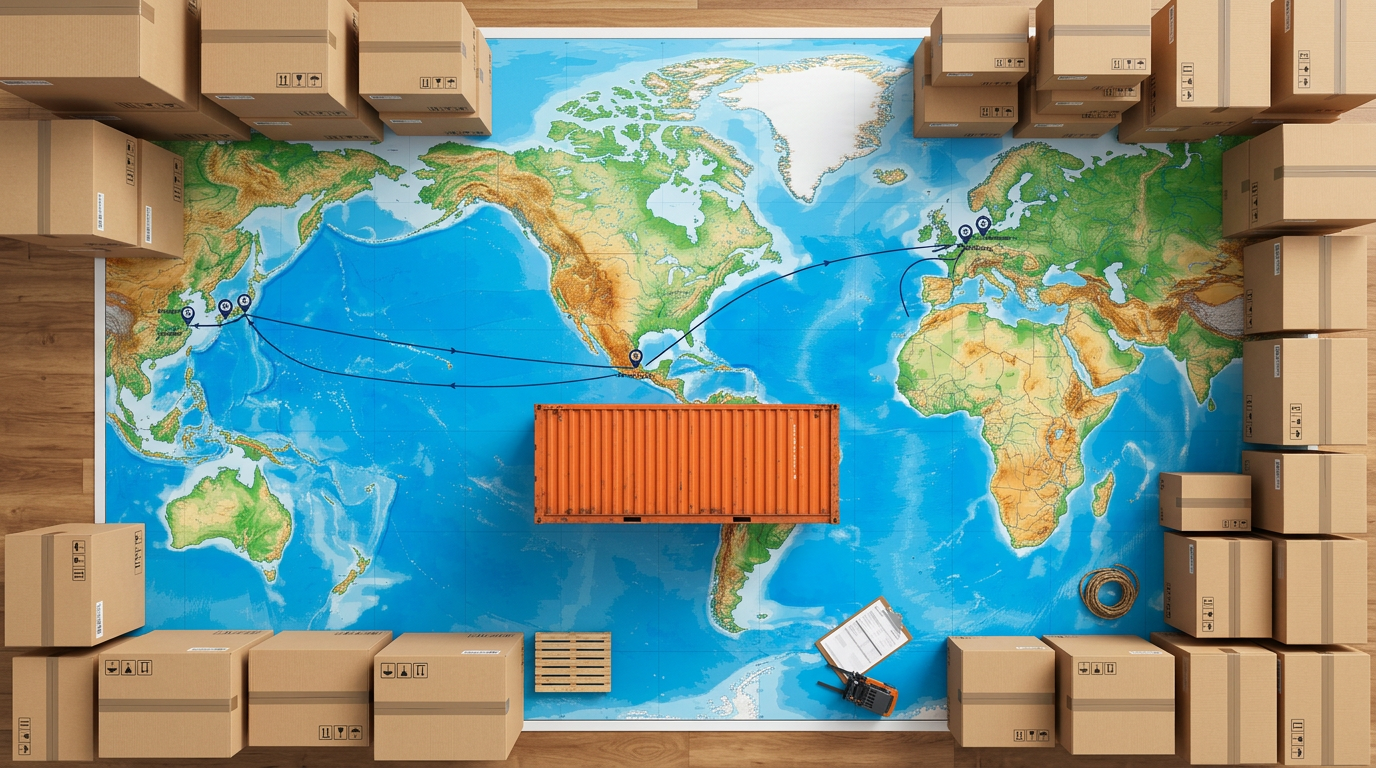
Choosing to live in another country is one of the most transformative experiences you can have. But before you start thinking about where you’ll hang your artwork in Madrid or which neighborhood in Toronto you’ll call home, there’s one question everyone asks: how different is an international move from Mexico depending on where you’re headed? The short answer: very different. Transit times, customs procedures, costs, and logistics vary significantly based on your destination. Here’s a detailed breakdown so you can arrive fully prepared.
Why Your Destination Changes Everything in an International Move
An international move isn’t simply a matter of packing your belongings into a box and waiting for them to show up on the other side of the world. It involves coordinating multimodal transportation (road, sea, or air), complying with customs regulations in two countries, arranging cargo insurance, and often navigating very specific import requirements. And every destination has its own set of rules.
The factors that most affect the cost and planning of your move are:
- Geographic distance and available routes from Mexico
- Current trade agreements between Mexico and the destination country
- Customs requirements at the receiving country
- The volume and type of items you want to ship
- How urgently you need your belongings to arrive

International Move from Mexico to Spain and Europe
Spain: The Top Destination for Mexicans Moving Abroad
Spain is by far the most popular European destination for Mexicans relocating to the Old World. The shared language makes paperwork easier, and there’s a well-established community to land in. That said, there are key logistical factors you need to know about.
Sea transit times from Mexican ports such as Veracruz or Lázaro Cárdenas to Valencia or Barcelona range from 18 to 28 days, depending on stopovers. Air freight can cut that time down to 3–5 days, though the cost increases significantly.
On the customs side, Spain—as a European Union member—follows EU regulations. To import your personal belongings duty-free, you’ll need to prove prior residency outside the EU for at least 12 consecutive months and provide a detailed inventory, consular invoice, or apostilled documents. New items or high-value electronics may trigger additional holds.
France, Germany, the Netherlands, and the Rest of Europe
Transit times are similar to Spain (between 20 and 32 days by sea), but the entry ports change. Rotterdam, Hamburg, and Le Havre are the main European hubs. The real differences lie in each country’s customs processes: some move faster than others, and in destinations like Germany, it’s essential that your inventory be fully translated into German and validated by a local agent.
International Move from Mexico to Canada
Canada operates on a different dynamic. Since it shares the American continent, overland shipping is a viable option in some cases—though the most common route remains a combination of road and sea transport, or a direct flight.
By sea from Manzanillo or Ensenada to Vancouver, transit times are typically 12 to 18 days. To Montreal or Toronto, the route usually goes via the Atlantic, which can push the timeline to 22–30 days. Canada is known for having some of the clearest and most efficient customs regulations: it allows duty-free importation of used personal effects, as long as you correctly complete Form B4 (Personal Effects Accounting Document) and can demonstrate permanent residency or an active work visa.
One important note: Canada has strict restrictions on food products, untreated wood, plants, and certain materials. An inaccurate item list can cause significant delays when your shipment is released at port.
International Move from Mexico to Asia
Moving to Japan, China, Singapore, or any other Asian destination represents the highest level of logistical complexity. Sea transit times range from 28 to 45 days, and in some cases a transshipment is unavoidable—adding extra days and additional handling risk for your belongings.
Japan, for instance, has one of the most rigorous customs processes in the world: it requires inventories in Japanese, precise tariff classification, and in some cases a physical inspection of the cargo. China restricts certain materials and requires prior coordination with an authorized local customs agent. The cost of this type of move is considerably higher, and specialized guidance isn’t optional—it’s essential.
Quick Comparison: Timelines and Key Considerations by Destination
- Spain / Western Europe: 18–32 days by sea | Requirements: prior residency 12+ months, detailed inventory in Spanish and the local language
- Canada: 12–30 days depending on port | Requirements: Form B4, health and safety restrictions, active visa
- Asia (Japan, China, Singapore): 28–45 days | Requirements: local agent, inventory in the local language, strict country-specific regulations
The Key Is Expert Customs Management and Door-to-Door Service
Regardless of your destination, the single most important factor in making your move a success—rather than a headache—is having a team that handles every step of the logistics from end to end. Poor customs management can mean weeks of holds, fines, or even lost items. A poorly prepared inventory can derail the entire process.
Well-coordinated multimodal transportation, combined with expert customs support at both origin and destination, is what separates a move that arrives on time and in one piece from one that turns into a bureaucratic nightmare.
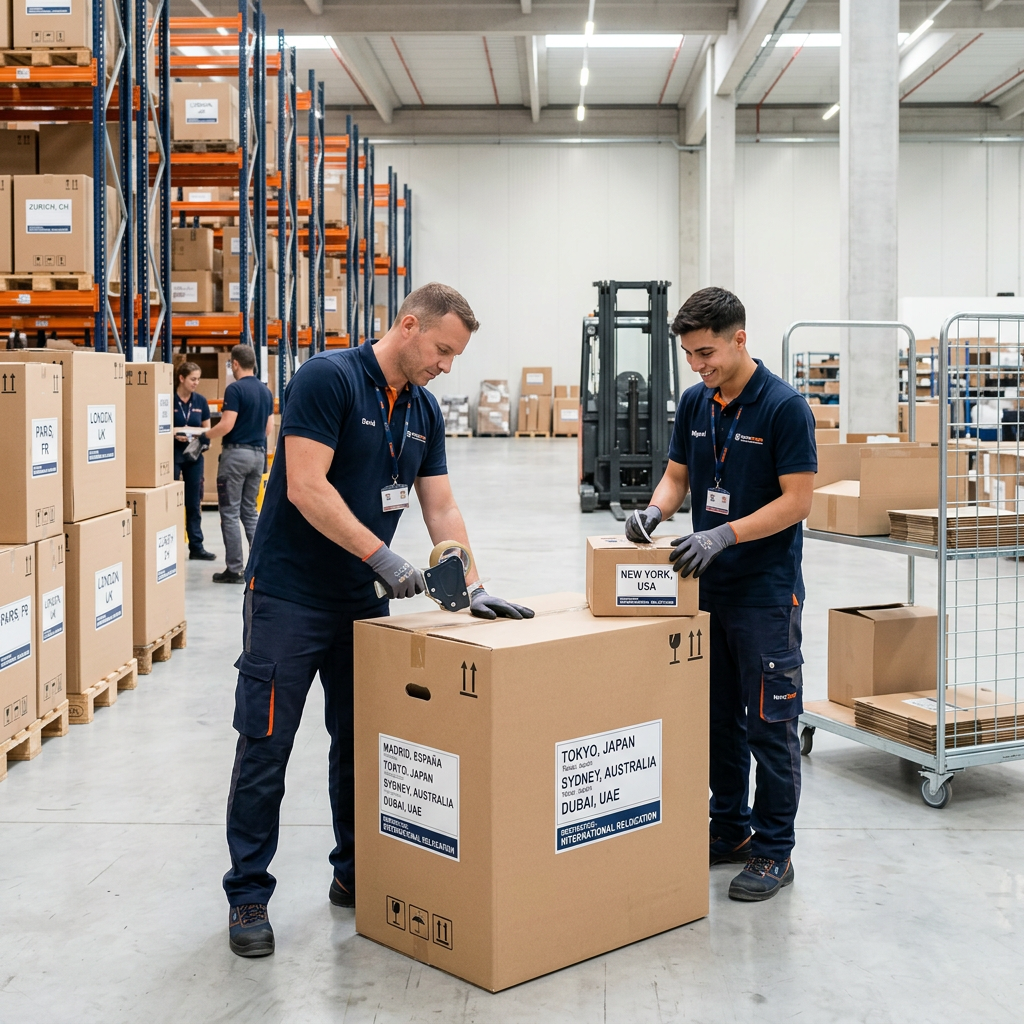
At IMS Movers, we have extensive experience handling international moves from Mexico to all of these destinations. We coordinate every stage of the process: specialized packing, road, sea, or air transport, customs management at origin and destination, and delivery right to the door of your new home. Our door-to-door service worldwide is designed so you can focus on your new life while we take care of everything else. Contact us today and get a personalized quote for your destination.