

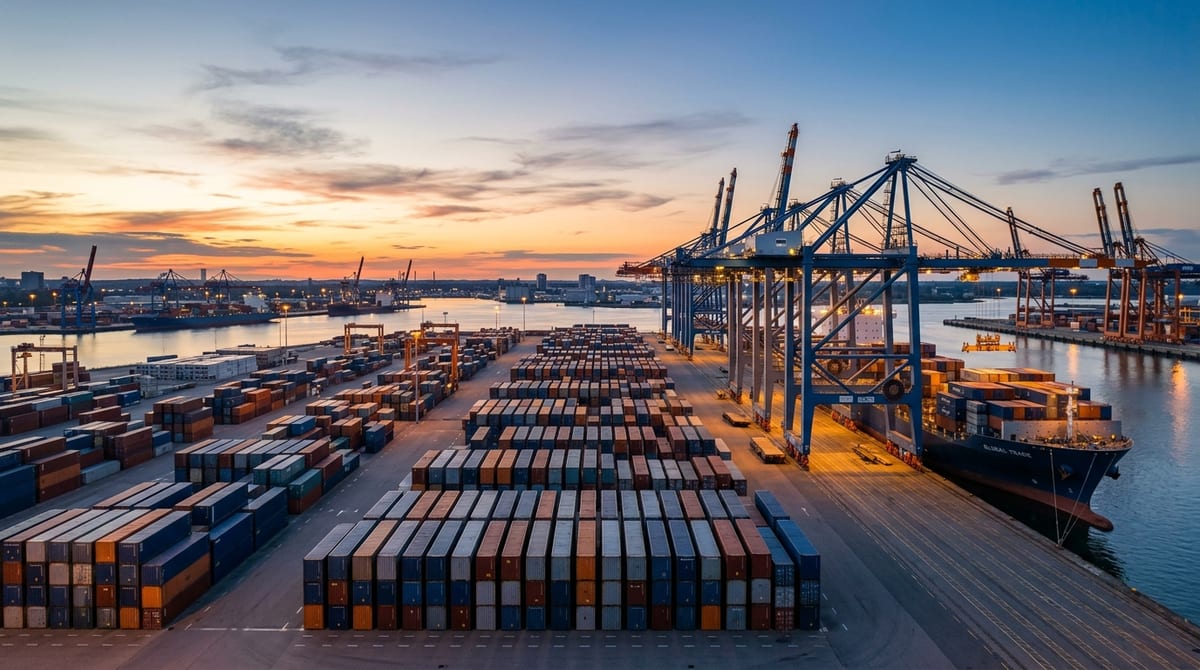
08 Sep FCL vs. LCL in an International Move: Full Container or Consolidated Shipment? How to Choose Based on Your Volume and Destination
When planning an international move to or from Mexico, one of the most critical logistical decisions—with the greatest impact on cost, timing, and the safety of your belongings—is choosing the right type of ocean shipment. Two options dominate the market: FCL (Full Container Load) and LCL (Less than Container Load). Understanding the difference between the two isn’t a minor technicality; it’s the foundation for making an informed decision that protects your relocation from day one.
At IMS Movers, with over 75 years of experience in international moving and multimodal transportation, we guide our clients through every stage of this process. Here, we break it down clearly and straightforwardly so you know which option fits your situation best.
What Is FCL and What Is LCL in the Context of an International Move?
Before comparing the two, it’s essential to understand what each option actually means within the specific context of relocating personal or corporate belongings internationally.
FCL — Full Container Load
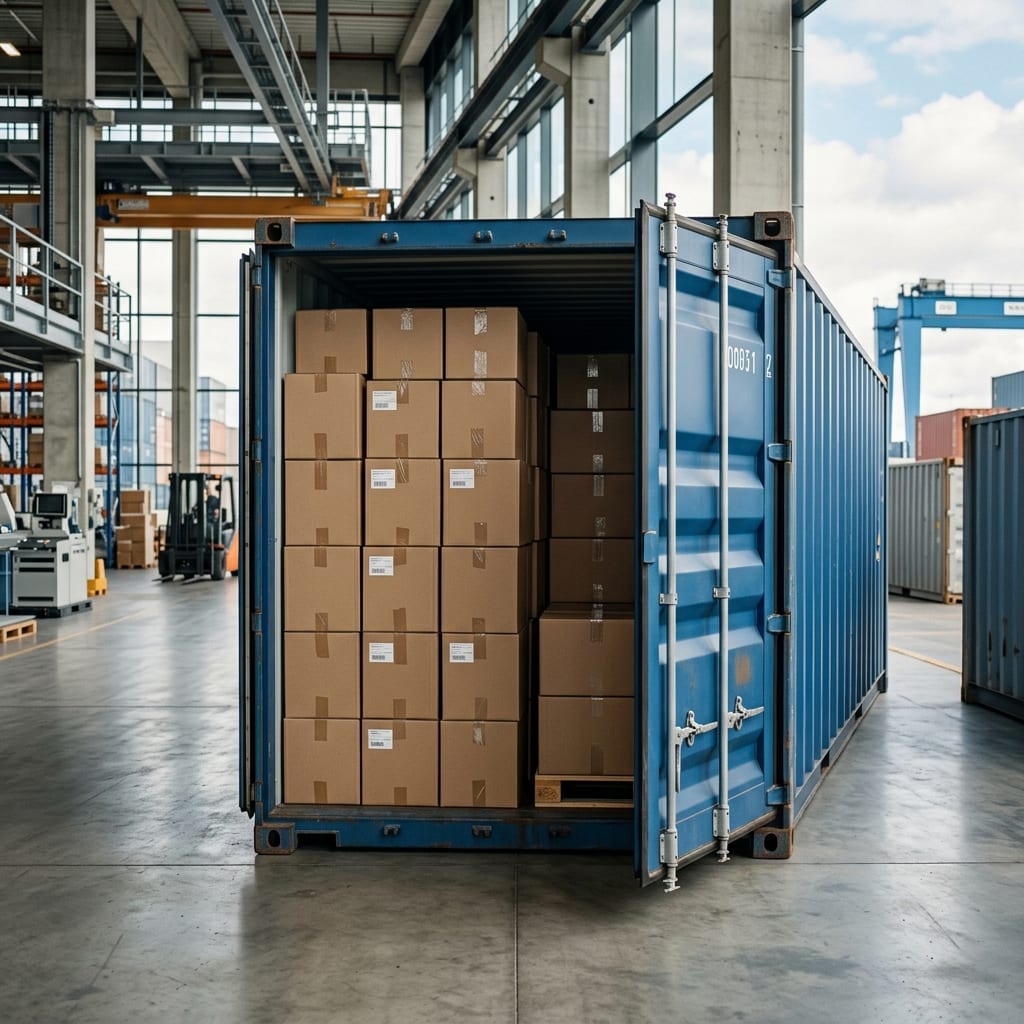
With an FCL shipment, your belongings occupy an entire container for your exclusive use—either 20 or 40 feet. No one else shares that space with you. The container is loaded at origin, sealed, and only opened upon arrival at the final destination. This is the most recommended option when your move’s volume justifies the use of a dedicated transport unit, whether it’s fully or partially filled but paid in full.
LCL — Less than Container Load (Consolidated Shipment)
With LCL, your belongings travel alongside cargo from other clients inside the same container. You only pay for the space actually used, measured in cubic meters. Because the container is shared, the process involves consolidation at origin and deconsolidation at destination, adding extra logistical steps along the way.
Key Factors for Deciding Between FCL and LCL in Your International Move
There’s no one-size-fits-all answer. The right choice depends on a combination of variables that any serious international moving provider should evaluate with you before recommending a shipment type.
1. Volume of Your Belongings
This is the most decisive factor. As a general reference:
- Under 15 m³ → LCL is typically more cost-efficient.
- Between 15 and 25 m³ → a gray area; it depends on the destination and required timelines.
- Over 25 m³ → FCL is almost always the better option in terms of total cost and security.
A mid-sized home—living room, dining room, bedrooms, fully equipped kitchen—easily exceeds 20 m³, which in many cases makes FCL the most logical choice.
2. Destination and Available Routes
Not every port in the world has the same frequency of departures or the same availability of consolidators. For destinations with strong maritime connectivity from Mexico—such as ports in Spain, the United States, Canada, or the Netherlands—both options are typically available with solid transit times. For destinations with lower traffic or indirect connections, FCL can offer greater control over delivery timelines and reduce the risk of delays within the consolidation chain.
3. Transit Time and Urgency
LCL shipments require consolidation and deconsolidation, which means more handling time at both ends of the journey. If a specific delivery timeline is a priority—and in a relocation, it almost always is—FCL offers greater predictability and logistical control.
4. Type of Belongings
High-value items—collections, works of art, musical instruments, vehicles, or specialized equipment—require specific handling and security conditions. In these cases, FCL isn’t just recommended: it’s practically indispensable for ensuring the integrity of your goods throughout transit.
5. Total Cost, Not Just the Freight Rate
A common mistake when comparing FCL vs. LCL is looking only at the ocean freight cost. A proper analysis includes: professional packing, consolidation/deconsolidation charges, port storage, customs clearance at origin and destination, and cargo insurance. When all of these are factored in, the difference between the two options can be significantly smaller—or even tip in favor of FCL—for medium-sized moves.

The Role of Customs Clearance in Both Options
Regardless of whether you choose FCL or LCL, an international move to or from Mexico requires rigorous customs management. This includes preparing detailed inventories, tariff classification of goods, processing household goods exemptions (where applicable), compliance with destination country regulations, and coordination with port authorities.
A mistake at this stage can result in holds, fines, or delays that directly affect your agreed delivery timeline. Having a customs team that operates in a fully integrated way with the transportation logistics—not as a disconnected external service—is a critical differentiator you should demand from any international moving provider.
Door-to-Door Service: The Right Way to Plan Your International Move
The choice between FCL and LCL should be made within a comprehensive logistical strategy, not in isolation. A quality door-to-door service coordinates everything from professional packing at your origin residence to delivery at the final destination—including multimodal transportation, customs clearance, storage if needed, and in some cases, unpacking and setup services at destination.
At IMS Movers, our team approaches every international move as a unique project. We assess the actual volume of your belongings, the destination, required timelines, and the nature of your goods to recommend the option—FCL or LCL—that best protects your relocation on time and with complete peace of mind. Our worldwide reach isn’t a generic promise: it’s the result of over 75 years operating international routes with a consistently high rate of effectiveness and client satisfaction.
Don’t make this decision without expert guidance. The type of container you choose today defines the experience of your move tomorrow.
Planning an international relocation to or from Mexico? Request a personalized quote and get advice from our specialists in ocean transportation and customs clearance. Get a quote for your move — Door-to-door service worldwide.