

10 Aug Nearshoring in Mexico: Everything You Need to Plan When Moving Your Company to the North
Northern Mexico: The Continent’s New Industrial Hub
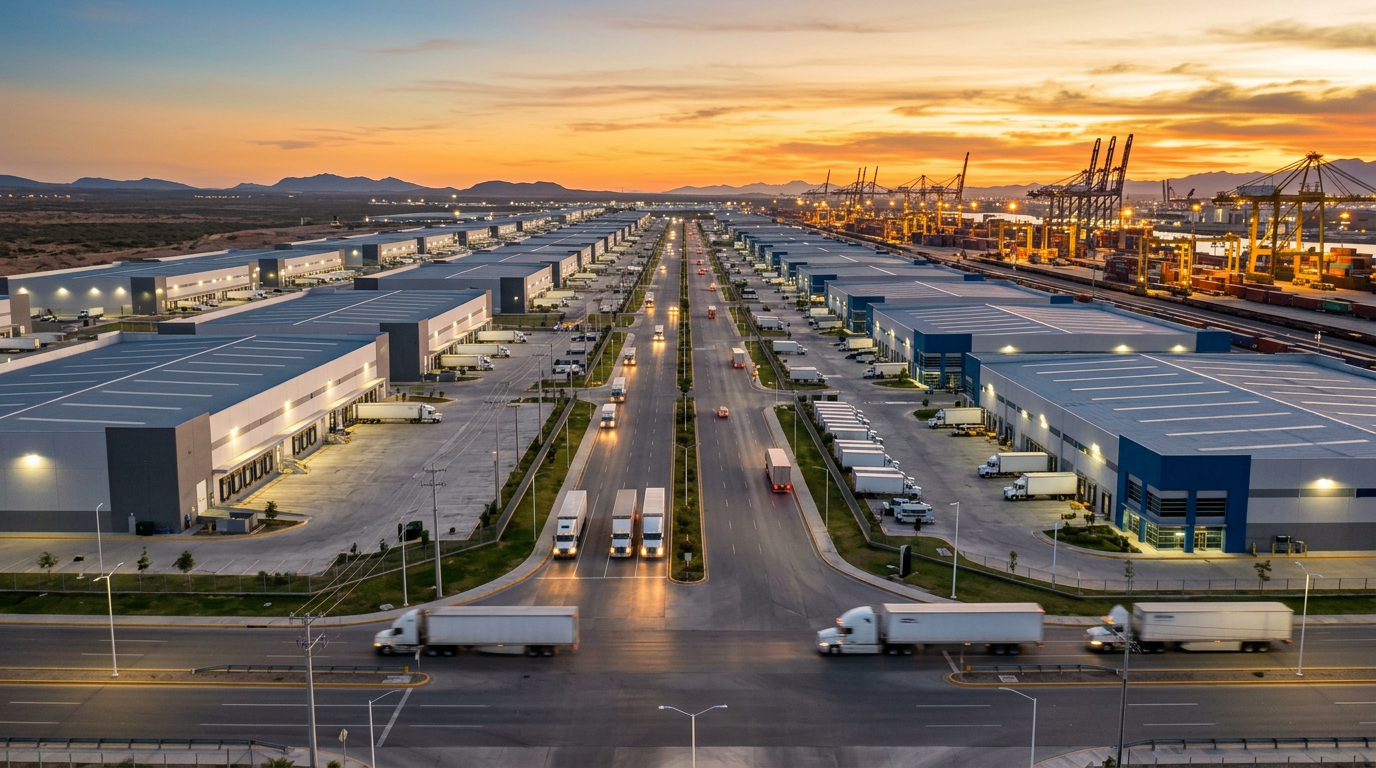
The nearshoring phenomenon is redrawing the industrial map of North America. Manufacturing, technology, automotive, and home appliance companies — coming primarily from Asia, Europe, and the United States — are choosing cities like Monterrey, Saltillo, San Luis Potosí, and Ciudad Juárez to set up operations and close the distance to their target markets.
However, behind every investment announcement lies an enormous logistical process that few companies size up correctly from the start: moving equipment, machinery, assets, and key personnel from their home country to their new destination in Mexico. Poor planning of that transition can cost months of lost operations and blown budgets.
In this guide, we walk you through the critical factors every foreign company must consider when executing a nearshoring corporate relocation in Mexico, so your launch gets off to a smooth start.
What Does an Industrial-Scale Corporate Relocation Actually Involve?
An international corporate relocation is nothing like moving an office. When we talk about nearshoring, we’re talking about moving:
- Specialized heavy machinery and complete production lines
- Computer equipment, servers, and corporate furniture
- Calibrated tools, precision instruments, and laboratory equipment
- Raw materials or startup inventory
- Personal assets belonging to executives and expatriate staff who are relocating their homes
Each category requires a different approach in terms of packaging, transportation, customs procedures, and delivery timelines. That’s why the first mistake many companies make is treating these moves like a standard freight operation, when in reality they demand comprehensive, specialized management.
The Five Factors You Must Plan Before Moving Your Operations to Mexico
1. Import Regime and Customs Management
Before a single container crosses the border, your company must define the customs regime under which you’ll operate: permanent import, strategic bonded warehouse regime, IMMEX, or other schemes available in Mexico. Each one carries different fiscal, timeline, and documentation implications.
A company with no experience in Mexican customs can find its machinery held at the border for weeks. Having a partner who provides integrated customs management as part of your relocation isn’t a luxury — it’s an operational necessity.
2. Multimodal Transportation Planning
Equipment can arrive in Mexico by sea (through ports such as Manzanillo, Veracruz, or Lázaro Cárdenas), by air, or overland from the United States. Depending on the origin, type of cargo, and urgency, the combination of transport modes changes dramatically.
Multimodal transportation — coordinating ship, rail, and truck within a single chain without breaking custody of your cargo — is the most efficient solution for most companies going through a nearshoring transition. Planning this route in advance can reduce transit times by up to 30%.
3. Specialized Heavy Machinery Handling
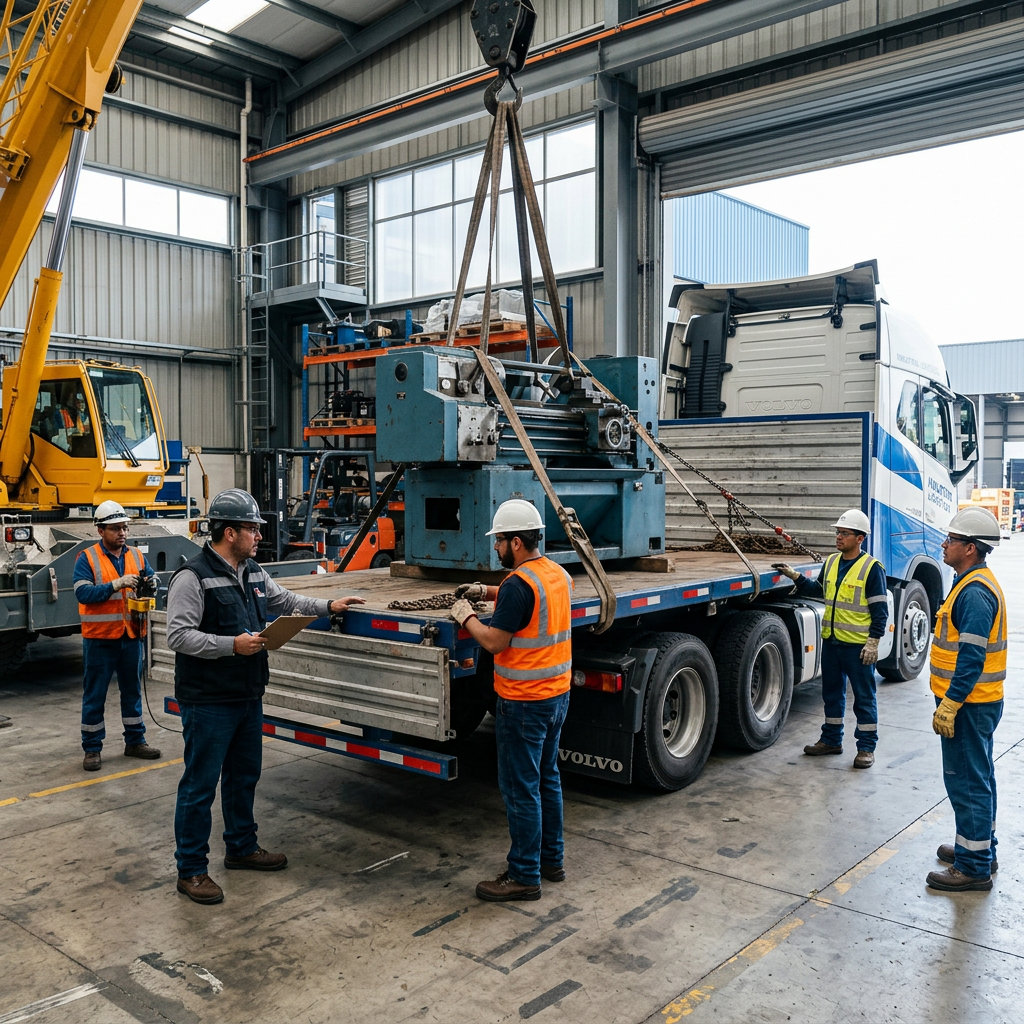
Monterrey and northeastern Mexico are home to a large share of the country’s automotive and advanced manufacturing industries. Moving an assembly line or an industrial press requires rigging engineering, special oversized load transport permits, and coordination with local traffic authorities. Not every moving company has the technical capability to execute this correctly.
4. Expatriate Staff Relocation Coordination
Along with physical assets, the executives and key technicians accompanying the operation also need to move their homes. Managing the industrial relocation and the residential relocation of your team simultaneously — under a single provider — reduces the administrative burden on your HR department and ensures consistency in arrival timelines.
5. Local and Federal Regulatory Compliance
Mexico has specific regulations governing the import of certain industrial equipment, used machinery, and restricted materials. Rules from the Ministry of Economy, SAT requirements, and sector-specific permits (in some cases from SEMARNAT or COFEPRIS) may apply depending on your industry. A provider with experience in nearshoring corporate relocation in Mexico already knows these pathways and anticipates obstacles before they turn into delays.
Why Monterrey Is the Most In-Demand Destination — and What Sets It Apart
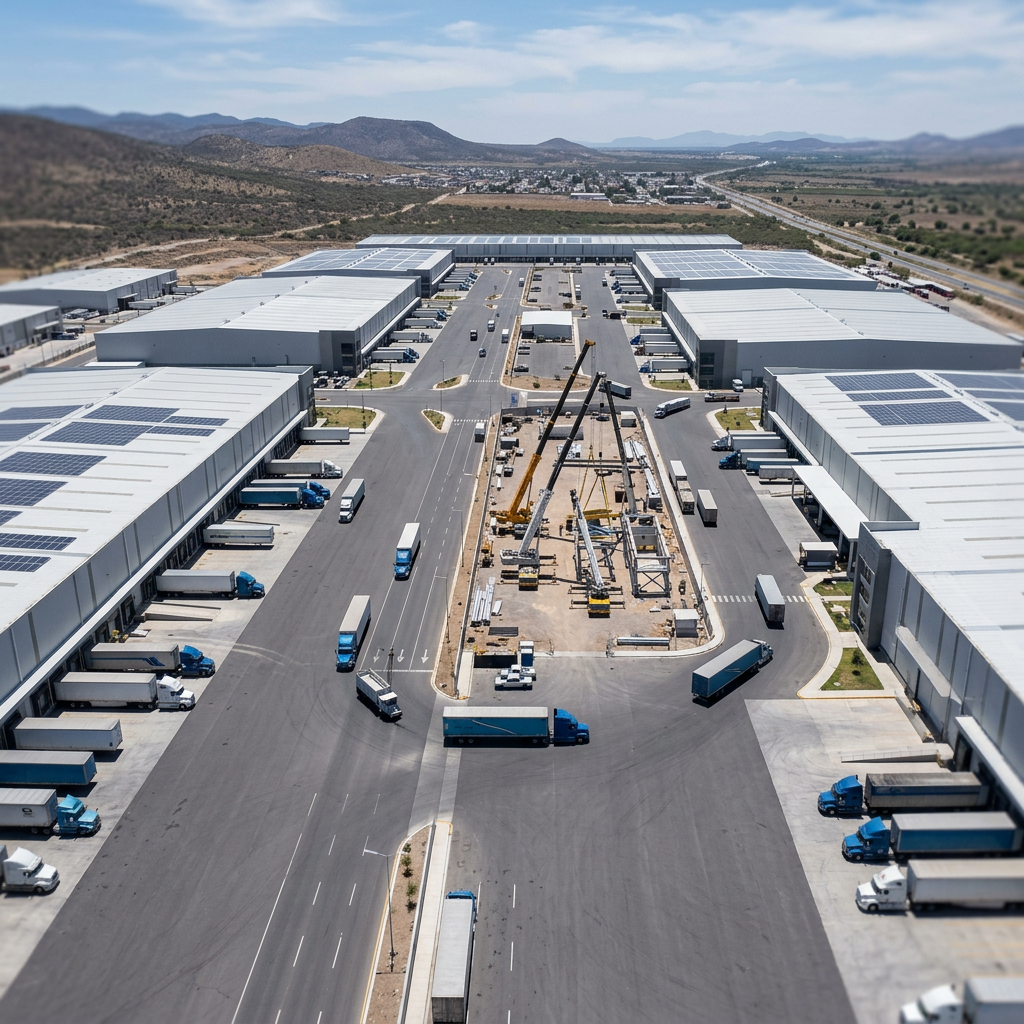
Nuevo León accounts for more than 25% of foreign direct investment in Mexico’s advanced manufacturing sector. Its overland connectivity with Texas, its Class A industrial park infrastructure, and its university-trained technical talent make it the top choice for hundreds of companies seeking proximity to the U.S. market.
But precisely because of that accelerating demand, local logistics providers are stretched thin. Companies that arrive without a pre-established logistics partner face bottlenecks in temporary storage, rigging resources, and access to certified carriers for special cargo.
Planning your nearshoring corporate relocation in Mexico at least four to six months in advance — and with a provider that operates both at origin and destination — makes the difference between a launch that starts on time and one that drags on for full quarters.
The Time to Act Is Now
The nearshoring window in Mexico is real, but it’s competitive. Companies that arrive better prepared logistically are the ones that launch first and consolidate their position in the North American market ahead of their competitors.
Don’t let the logistics of your move become the Achilles’ heel of a million-dollar investment. At IMS Movers, we manage international industrial and corporate relocations from start to finish: heavy machinery, customs management, multimodal transportation, and staff relocation — all under a single point of coordination.
We move your company to its new destination — IMS Movers. Contact us today and receive a personalized logistics assessment for your nearshoring project in Mexico.